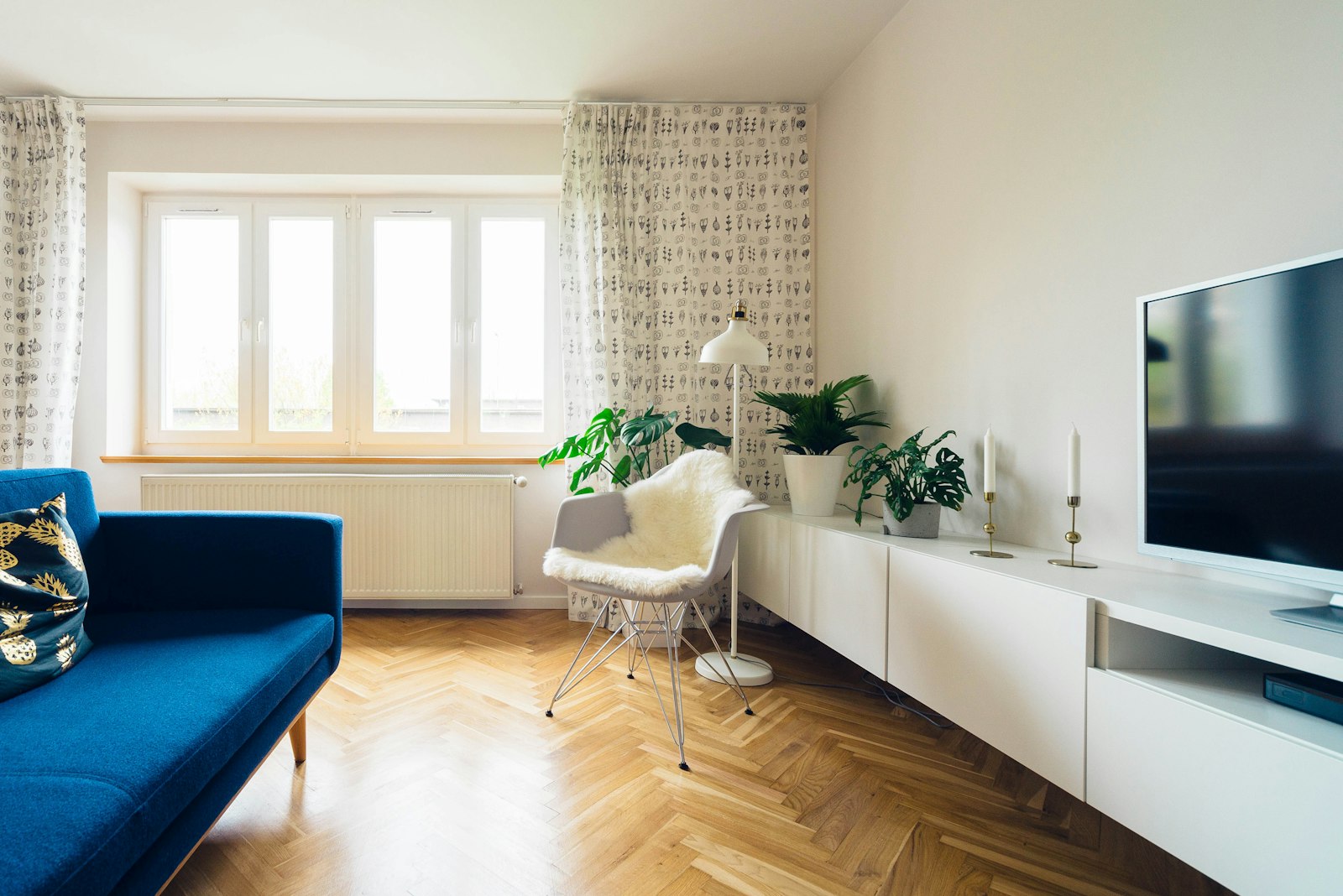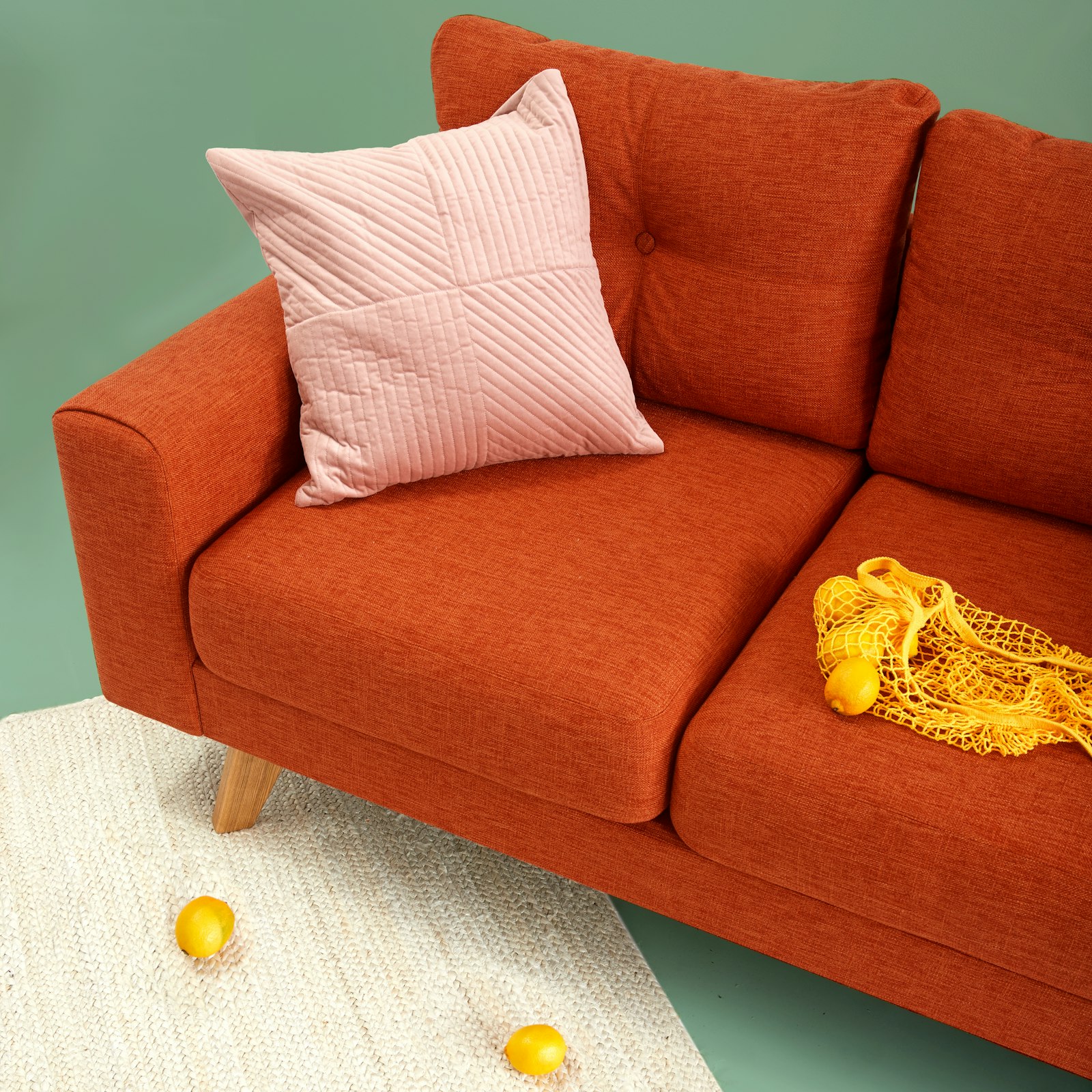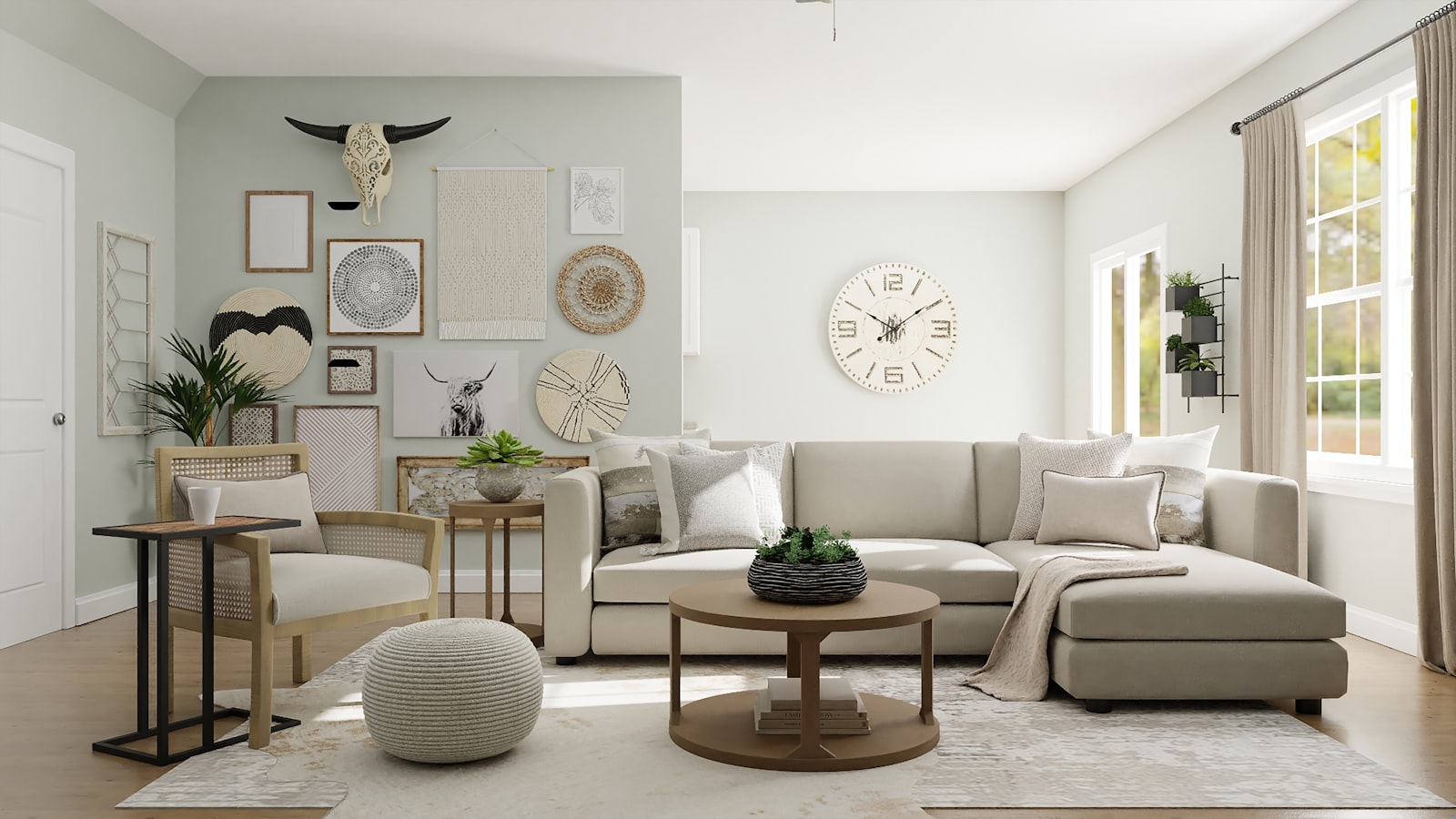
Have you walked into a home where every room feels slightly different — a piece from one era here, a bold print there, one room farmhouse and the next minimalist? That is not a personality problem; it is a thread-less design. A cohesive home decor style simply means each room shares a common visual logic, so the whole house reads as one considered space rather than a series of accidents.
You do not need to empty the house or start over. Here is the practical process for finding the thread that already runs through your tastes and pulling your home together around it.
Find your three-word style
Before you buy anything else, describe the feeling you want your home to hold in three words. Calm, natural, warm. Lived-in, eclectic, cozy. Clean, bright, modern. These three words become your decision filter: every purchase, paint color, and rearrangement either supports them or gets returned.
The three-word style works because it is specific enough to guide choices and loose enough to leave room for personality. Write it somewhere visible — it will quietly edit your home for you.
Anchor every room with a shared color thread
The fastest way to make a home feel cohesive is to let one color family run through every room. That does not mean every wall the same color — it means every room shares at least one common tone, usually a warm neutral or a soft muted green, that appears in walls, textiles, or large furniture.
Rooms that open into one another should share the strongest link: if the living room walls are warm greige, the hallway and dining nook should echo it. Rooms further apart can drift a little, but should still return to the family on accents.
Repeat two or three materials everywhere
Material repetition is the quiet glue of a cohesive home. Pick two or three materials you genuinely love — warm wood, rattan or cane, linen, stone, black metal — and use them across rooms. A walnut console in the hall, a walnut-framed mirror in the bedroom, and walnut table legs in the dining room read as one design language.
Repeat materials deliberately but not identically. Vary the piece, not the material. This is what separates a themed home from a cohesive one.
Create a rough rhythm of proportions
Cohesive interiors tend to share a sense of scale. If your style leans generous and cozy, keep furniture across rooms similarly scaled; if it leans airy and minimal, keep proportions light everywhere. When one enormous sectional sits beside a delicate hallway console and a chunky bedroom suite, the house feels like three different people decorated it.
A simple practice: before adding a large piece to any room, mentally place it next to your largest piece in another room. They should feel like they belong to the same family.
Edit your collections
Most homes become incohesive because of accumulation, not lack of taste. Collections of small objects from different eras and colors crowd surfaces and fragment the view. The cohesive move is to edit: keep the pieces you love most, group them in odd-numbered clusters, and let them share a palette.
If an object does not fit your three words, your palette, or your materials, it should probably live somewhere else or with someone else. Cohesion is an editing skill more than a buying skill.
Use lighting as a layer, not an afterthought
Lighting ties a room together more powerfully than almost any decor purchase. In a cohesive home, every room gets three light layers: overhead ambient light, task light where you read or work, and a warm accent glow from a lamp or sconce for evenings.
Consistent warm bulb tones (2700-3000K) across rooms keep your palette true at night. A room that flashes cool white while the rest glows warm will feel out of step, no matter how well it is styled.
Pull it together room by room
Now apply the thread: audit each room against your three words, your color family, and your materials, then edit where they drift. Start with the room you see most. For the finishing layers — textiles, pillows, and art — our styling mistakes guide will help you avoid the small errors that unravel cohesion, and our calm color palette method keeps the color side honest.