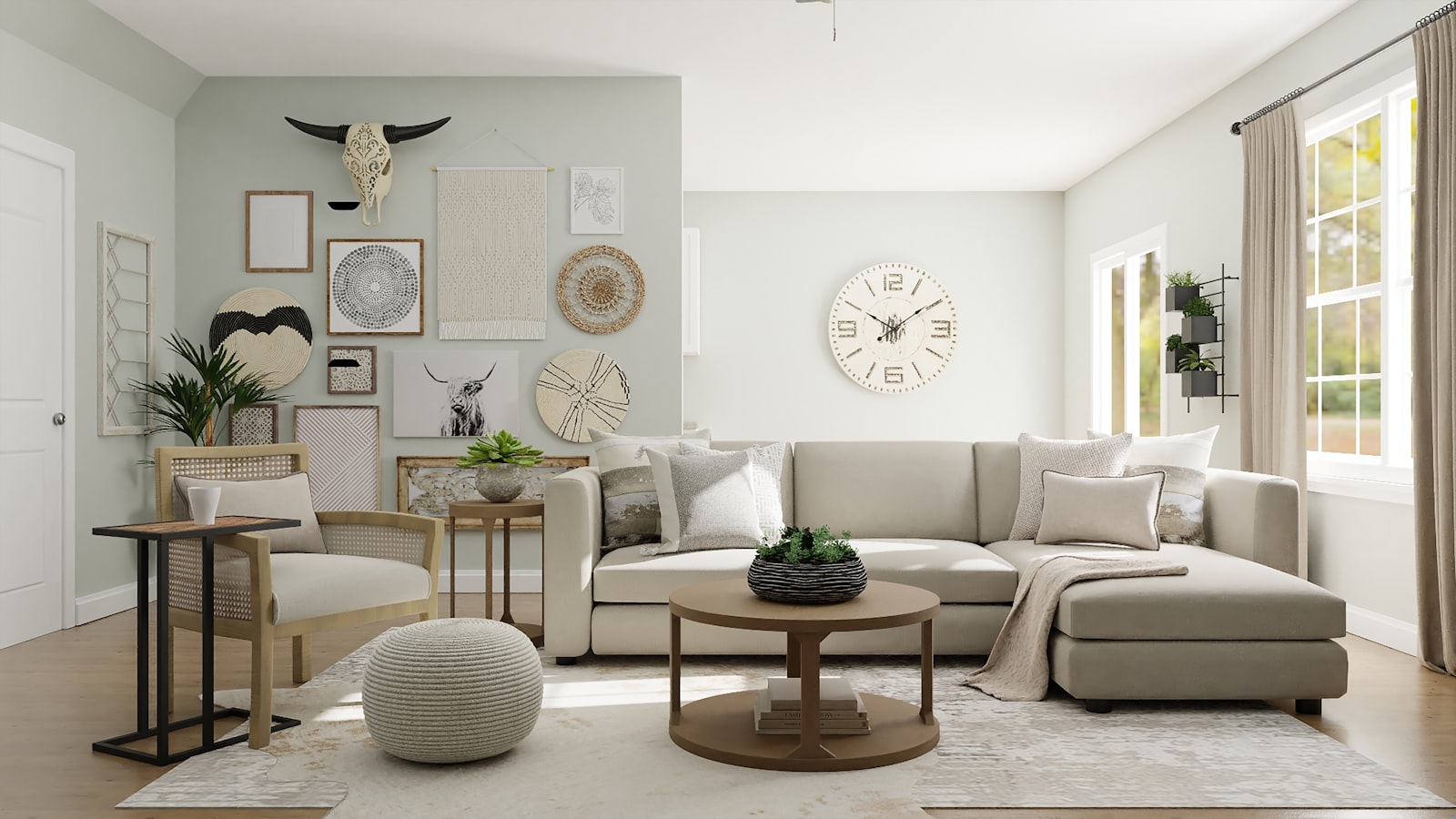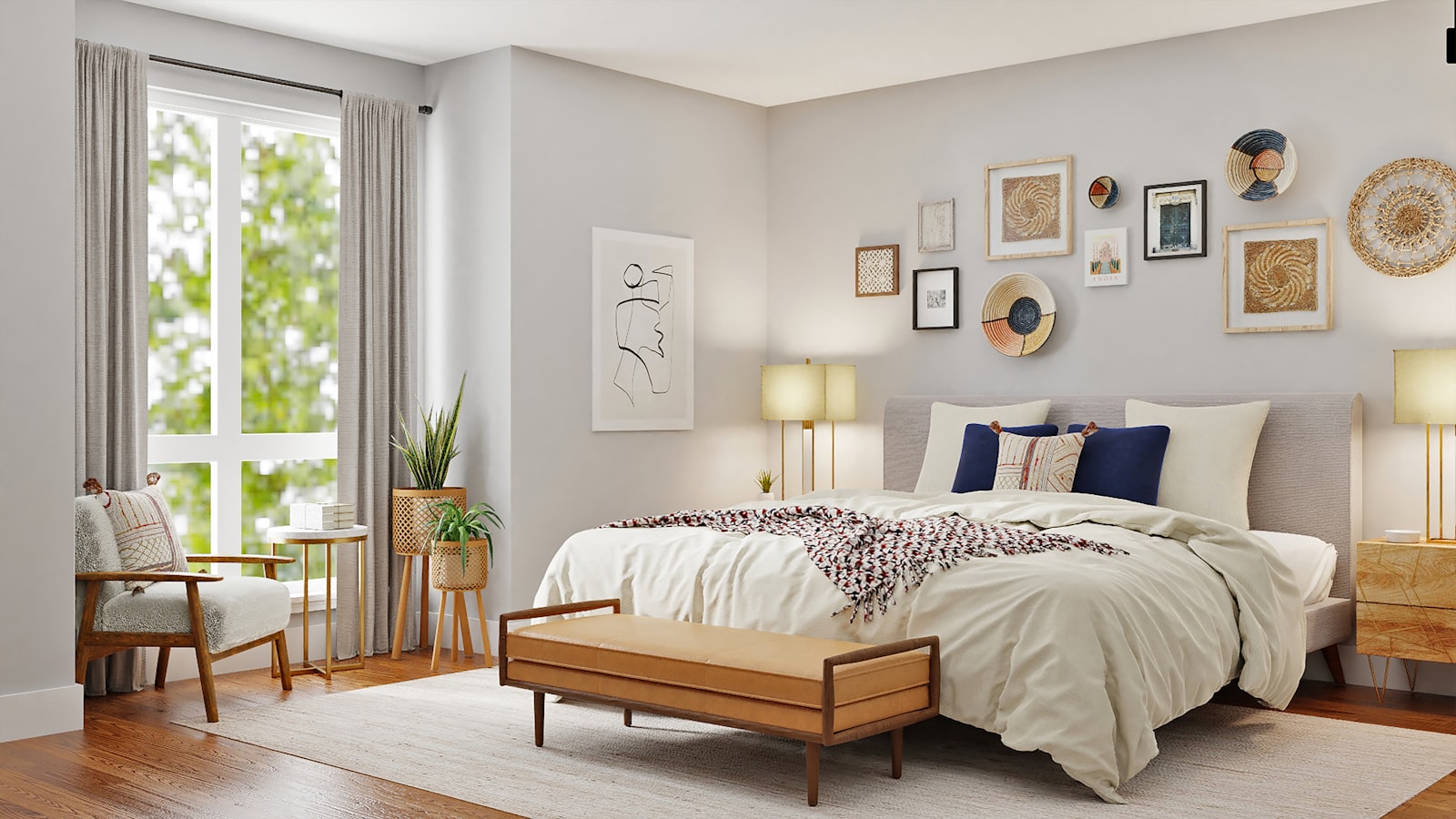
Open shelving is either the best feature in a room or the constant reminder of everything you own. The difference is not having stylish enough possessions — it is styling. Open shelves work when they look edited, grouped, and deliberately arranged, and they fall apart when they are treated as storage first and display second.
Here is the styling method that makes open shelving look effortless, shelf by shelf.
Edit down to the quiet number of things
Before styling, remove everything and split it into three piles: the pieces you truly love, the pieces that are useful, and everything else. On display shelves, the selection should favor what you love. Every object on a styled shelf is earning the eye\u2019s attention, so each one needs to be worth it.
A practical target is to put back only about sixty to seventy percent of what was there — and to keep the truly useful items (plates, glasses, everyday mugs) together in a clearly functional corner rather than scattered among decor.
Style in groups of three, in an odd rhythm
The fastest way to make a shelf look styled is grouping objects in threes with visual variety: one tall piece, one mid-height piece, and one low piece; or one large object, one textured object, and one small accent. Odd numbers — especially three — read as natural and composed, while matched pairs look symmetrical and stiff.
Vary height and shape within each group. A tall vase beside a stack of books beside a small bowl creates the gentle staircase of heights that makes arrangements feel intentional.
Mix the three texture types
Stylized shelves are almost always three-texture affairs: organic (plants, rattan, wood), hard (ceramic, glass, stone), and soft or graphic (books, linen, framed prints). Mix at least two, ideally all three, on each shelf. A ceramic vase plus a stack of linen-bound books plus a trailing plant is a complete composition on its own.
Anchor groups with stacked books
Books are the natural anchor of open-shelf styling. Use a horizontal stack as a pedestal — place a small sculpture or plant on top — and lean a few upright spines beside it for easy reference. Vary the stack heights between shelves so the eye moves down the wall instead of landing in a grid.
Keep book stacks to maybe two or three per unit, and face spines of similar color together so the shelf reads as a soft color block rather than a rainbow of covers.
Leave at least one shelf fully breathing
Negative space is part of the composition. Every set of shelves should include one shelf with only one or two small objects — or none at all. That empty eye-line is what makes the rest of the arrangement look deliberate instead of full.
If every shelf is packed, the wall feels heavy and the room feels smaller. A single uncluttered shelf is the marker that separates a styled display from a storage unit.
Don\u2019t forget real use
Styled shelves in a kitchen or dining area must still work — reachable cups, plates, and jar lids matter more than a perfect vignette. Put the most-used items at comfortable reach and let the top shelf carry the quieter, more decorative look. When the mains and the moods settle onto the same wall, use the balance ideas from our cohesion guide to keep colors and materials consistent across the whole room.